Flying, Flow, and the Inner Game
Learning to Fly
The best ideas are often the simplest. So blindingly obvious, in fact, that we dismiss them – convinced someone else must have already thought of it, patented it, sold it, become disgustingly rich on the profits, and retired to a tropical island where they are currently sat on a deserted beach sipping Piña Colada from a coconut shell.
Take flying, for example.
Here's what The Hitchhikers Guide to the Galaxy has to say on the subject:
“There is an art, or rather, a knack to flying. The knack lies in learning how to throw yourself at the ground and miss.”
It goes on to explain that you must hurl yourself forward with all your weight and “the willingness not to mind that it’s going to hurt.” The trick is to miss the ground accidentally. Because deliberately trying to miss it doesn’t work.
You have to have your attention suddenly distracted by something else mid-fall, so completely that you forget about falling, the ground, or how much it’s going to hurt if you don’t miss. You must ignore your own weight and simply let yourself waft higher, and whatever you do, don’t listen to the people shouting, “Good God, man, you can’t possibly be flying!” It is vitally important not to believe them, or they will suddenly be right, and you will find yourself failing to miss the ground once again.
Douglas Adams’ whimsical take on flight is less about physics and more about mindset, and oddly enough it aligns with what Tim Gallwey wrote in The Inner Game of Tennis.
Gallwey describes two selves: Self-1, the conscious, critical voice that overthinks and judges, and Self-2, the subconscious, intuitive self that knows what to do and would jolly well get on and do it if only Self-1 would get out of the way. The real game, he says, isn’t against your opponent across the net, but against that inner critic.
To perform at your best, you must trust Self-2. Be present in the moment; feel what’s happening; let go of control and just let it happen. Trust that Self-2 already knows how to perform the task and then let it happen without excessive, conscious control.
Flying on Stage
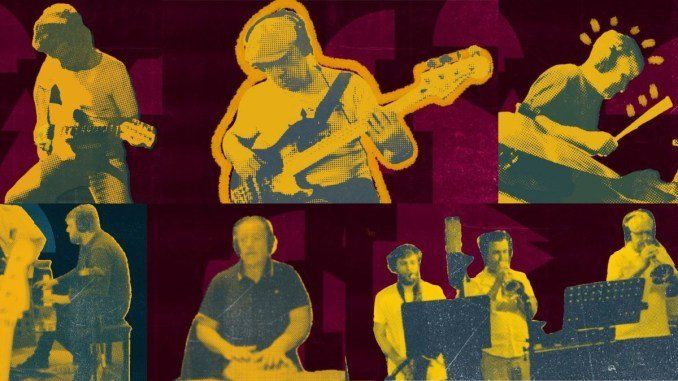
I was reminded of this recently when I took a last-minute dep gig with a function band. The setlist was familiar, but the keys and arrangements were different, and I hadn’t had time to prep. I figured as long as the sax player was solid, knew the band, knew the charts and was used to section work, I’d lock in with them and we’d be fine.
Then I arrived.
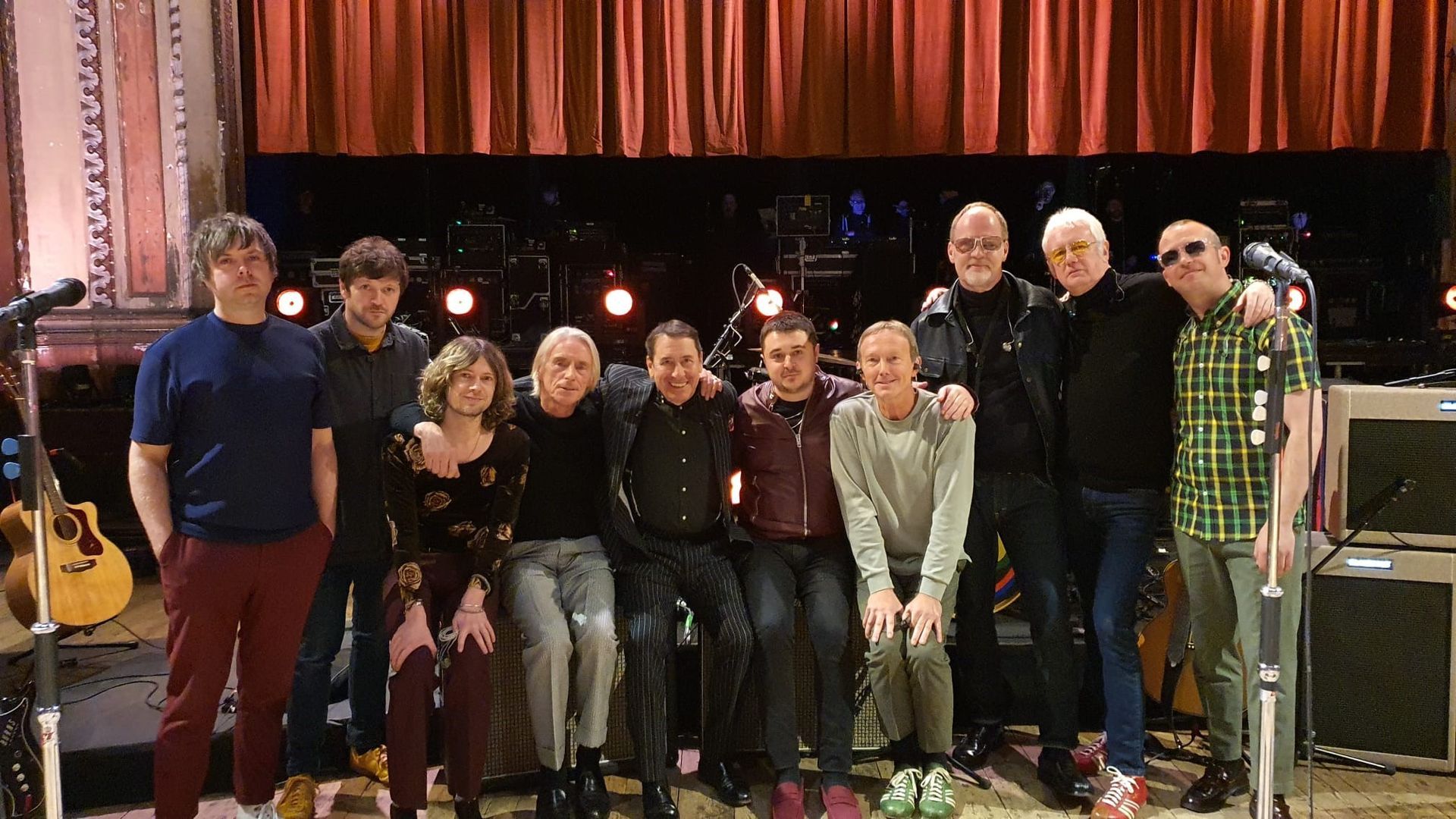
The sax player had never played with the band before and usually did big band or jazz improv stuff. The trombone player was a classically trained, orchestral musician sight-reading the charts. And both of them said they were relieved that I was there - my “reputation preceded me.” They were relying on me to be the glue that held it all together. I knew I had to be on top of my game.
No pressure there then.
Cue Self-1.
Mistakes crept in during the first couple of songs. Self-1 pounced: “You’re blowing it. “Concentrate harder”. “Stop sweating”. “Stop messing up”. “These people are looking at you to be in control”. “Remember what your music teacher said!”
Then I caught myself.
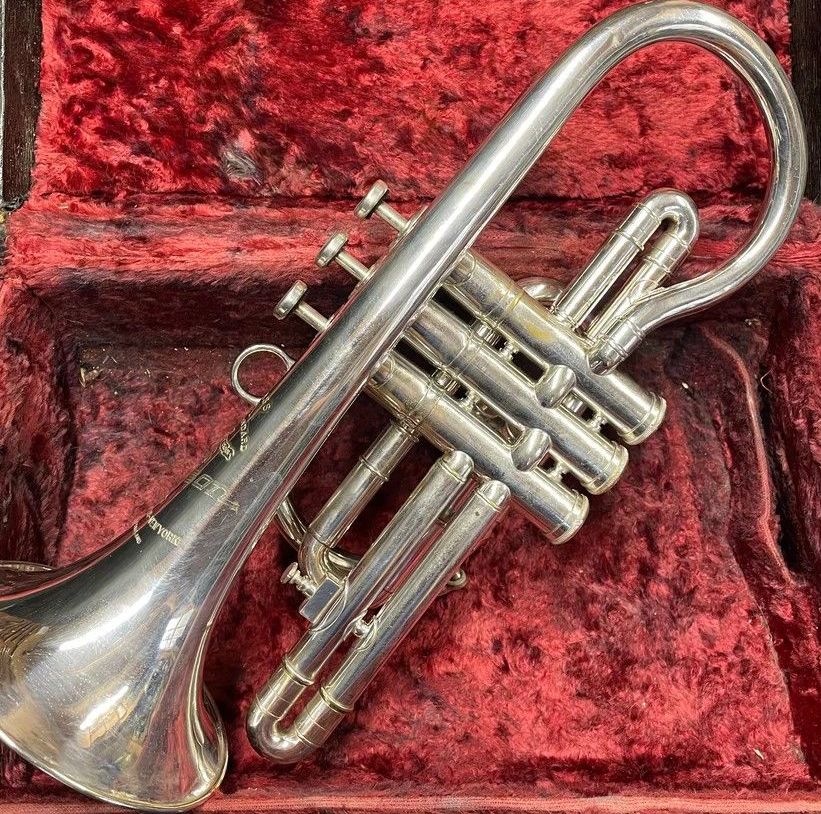
I’d done hundreds of gigs like this. Nothing I was being asked to play was beyond me. I just needed to shut Self-1 up, allow Self-2 to take over and let the music flow. In The Inner Game, Gallwey suggests focusing on the seam of the tennis ball. For me, it was the feel of the horn in my hands, the mouthpiece on my lips, the audience’s reaction.
I got distracted, in the best possible way and entirely forgot the apparent impossibility of what I was asking myself to do. I forgot to hit the ground.
And just like that, I was flying.
The Crash Landing
It hasn’t always gone that way.
Early in my career, I took a session job on a solo album for a major artist. We were already nervous, and when he showed up in the control room, it got worse. He spoke to the producer in French, presumably so we wouldn’t understand. It didn’t feel encouraging.
The session fell apart. First, I messed up, then the trombone player, then the sax. Timing and intonation were off. The poor arrangements and inappropriate choice of voicings didn’t help, but we should’ve handled it.
I tried to take control. Self-1 took over—barking orders, demanding more effort, berating every mistake.
The result? I hit the ground. Hard!
Nothing we recorded made the final cut. I was gutted. I vowed never to let that happen again.
A Final Word
Just to be clear, (and my lawyers are keen for me to stress this point!), ignoring Self-1 and trusting Self-2 does not mean you should throw yourself off a tall building and hope to get distracted on the way down. That’s not flying. That’s physics.
But in music, in performance, in life, sometimes the best way to soar is to stop trying so hard. Let go. Trust yourself and forget to hit the ground.